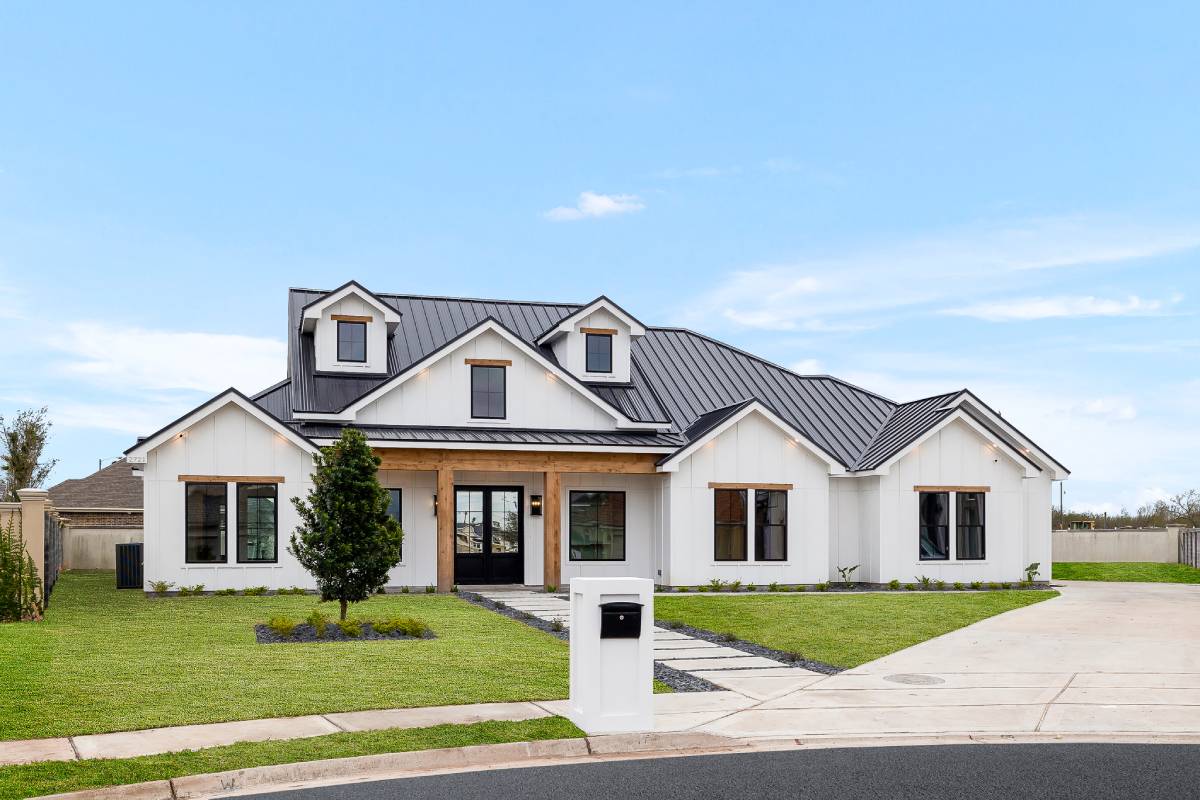
Whole House Renovation Cost Breakdown 2024

Pre-Renovation Costs: Planning and Permits
Before a single hammer swings, you’ll face costs associated with planning and securing the necessary permits. This includes architect or designer fees (if you’re using one), which can range from 10% to 20% of the project’s total cost depending on the complexity of the design and the scope of their involvement. Then there are the permit application fees themselves, which vary widely by location and the extent of the renovation. Factor in time spent gathering information, meeting with contractors, and making crucial decisions about your project’s scope and design – time is money! Don’t underestimate these initial costs, as they set the stage for the entire renovation process.
Demolition and Site Preparation: Clearing the Way
Getting your house ready for the renovation involves demolition of existing structures and preparation of the site. This stage encompasses the removal of old walls, flooring, fixtures, and anything else that needs to be taken out. Disposal fees for construction debris can add up, particularly if you have a substantial amount of material to remove. Depending on the scale of the demolition, you might need specialized equipment, which will further impact costs. Furthermore, site preparation may involve things like ground work, excavation, or even temporary utilities, all adding to the overall expense.

Structural Work: The Foundation of Your Renovation
Structural changes often form a significant portion of a whole-house renovation. This phase could include foundation repairs, load-bearing wall alterations, roof work, or even the addition of new rooms or extensions. These tasks require skilled professionals and specialized materials, leading to substantial costs. The cost of structural work is highly dependent on the complexity and extent of the changes – a simple repair is considerably cheaper than a significant structural overhaul. Expect to pay a premium for experienced structural engineers and contractors.
Plumbing and Electrical: Essential Systems Upgrade
Modernizing your home’s plumbing and electrical systems is crucial for functionality and safety. This involves rerouting pipes and wiring, installing new fixtures, upgrading electrical panels, and potentially adding additional circuits to accommodate modern appliances and technological needs. The cost will depend on the age of your existing systems and the scale of the upgrade. Replacing outdated galvanized pipes or knob-and-tube wiring can be particularly expensive. Ensure you choose licensed and insured electricians and plumbers to ensure the work is done safely and to code.
HVAC and Insulation: Comfort and Energy Efficiency
Improving your home’s heating, ventilation, and air conditioning (HVAC) system contributes significantly to comfort and energy efficiency. This could involve replacing your furnace, air conditioner, or ductwork, as well as upgrading insulation in walls, attics, and crawl spaces. Modern, high-efficiency HVAC systems are more expensive upfront but often save money on energy bills over time. Insulation is a crucial element of energy efficiency, reducing both heating and cooling costs. The cost of this work will vary depending on the size of your home and the choices you make regarding efficiency and technology.
Interior Finishes: The Final Touches
The final stage focuses on the interior finishes, bringing your vision to life. This includes installing flooring, cabinetry, countertops, tiling, paint, and fixtures. Material choices significantly influence costs; natural stone countertops are considerably more expensive than laminate, and hardwood floors are pricier than vinyl. Consider the labor associated with installation, which will add to the overall expense. Choosing cost-effective options without sacrificing quality can help manage the budget for this phase.
Contingency and Unexpected Costs: Budgeting for the Unforeseen
It’s crucial to build a contingency into your budget to cover unforeseen expenses. During a renovation, hidden problems frequently arise – damaged pipes, rotted wood, or unexpected electrical issues. A well-planned contingency, typically around 10% to 20% of the total estimated cost, acts as a buffer to absorb these surprises. This prevents cost overruns and project delays. It’s better to be prepared for the unexpected than to face financial difficulties midway through the project.
Labor Costs: Skilled Tradespeople
Labor costs represent a significant portion of any renovation. The cost of hiring skilled tradespeople – electricians, plumbers, carpenters, drywallers, etc. – will vary by location and the level of expertise required. A larger project will naturally require more labor hours, increasing the overall cost. Securing bids from multiple contractors allows for comparison and helps you choose the best option based on both price and reputation. Read more about how much does it cost to renovate entire house